Worcester Memorial Auditorium Receives $25 Million Commitment from Healey-Driscoll Administration

AHF is thrilled to share that the Healey-Driscoll Administration has announced a transformational $25 million match commitment to help redevelop the Worcester Memorial Auditorium. Without such a meaningful commitment from our government partners, this project would not be possible.

After 25 years of dormancy, this investment will enable AHF to enter the next phase in the restoration of the Auditorium as a cultural and civic landmark, while honoring the veterans—past and present—for whom it was originally built.

As Worcester City Manager Eric D. Batista put it: this pledge is a “game changer” for the project.

Read the press release below for more information.

Press Release Governor Healey Commits $25 Million to Support Worcester Auditorium Redevelopment 

State funding pledge will unlock private funding to advance project critical to the economic development of Central Massachusetts 

FOR IMMEDIATE RELEASE:

5/15/2025

  • Governor Maura Healey and Lt. Governor Kim Driscoll

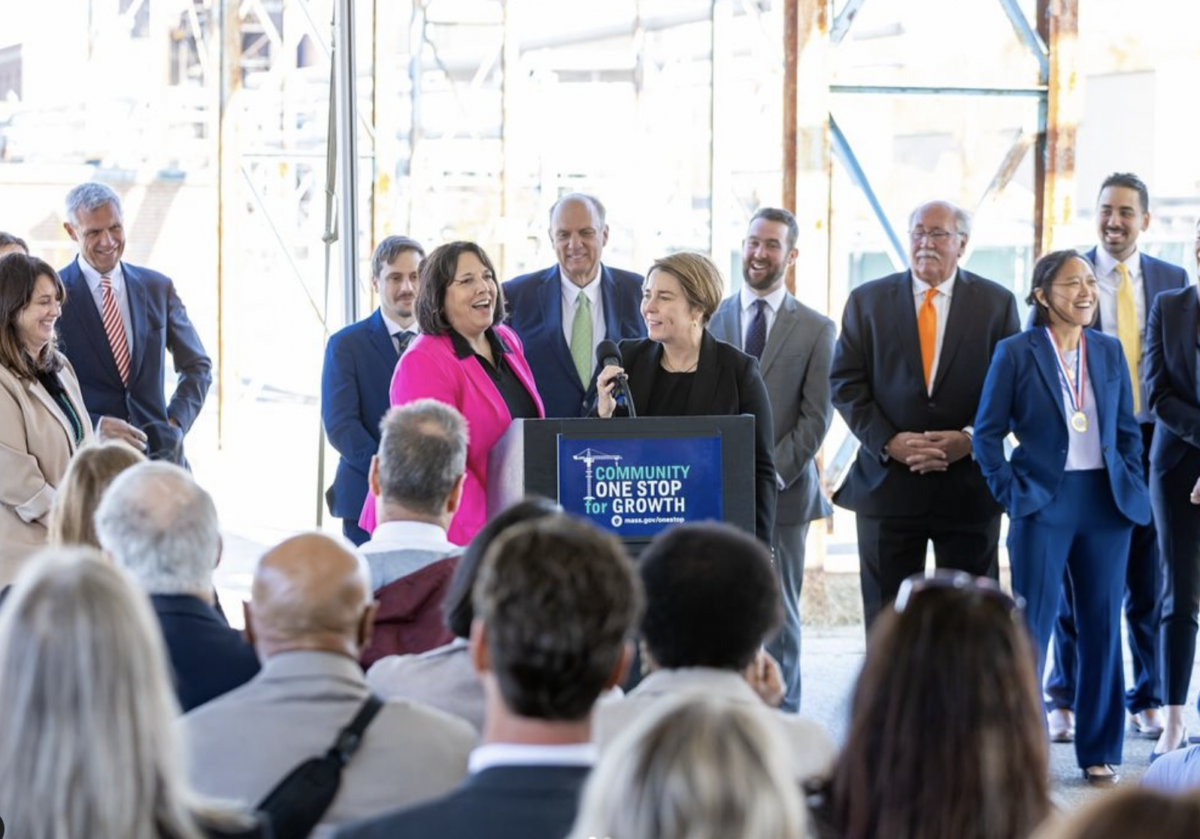
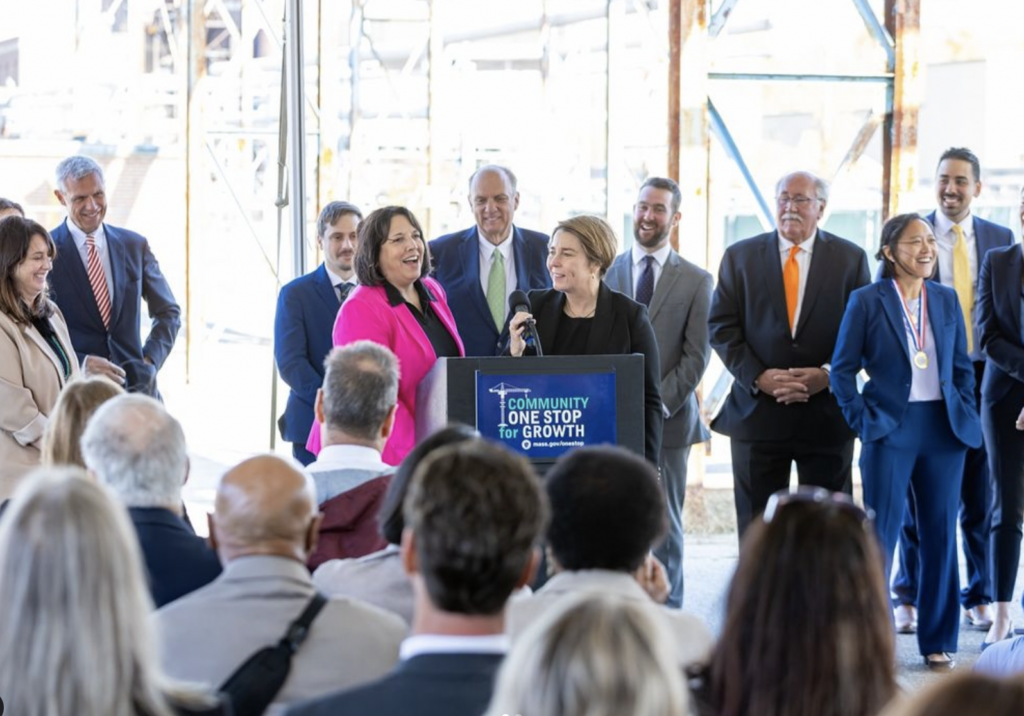
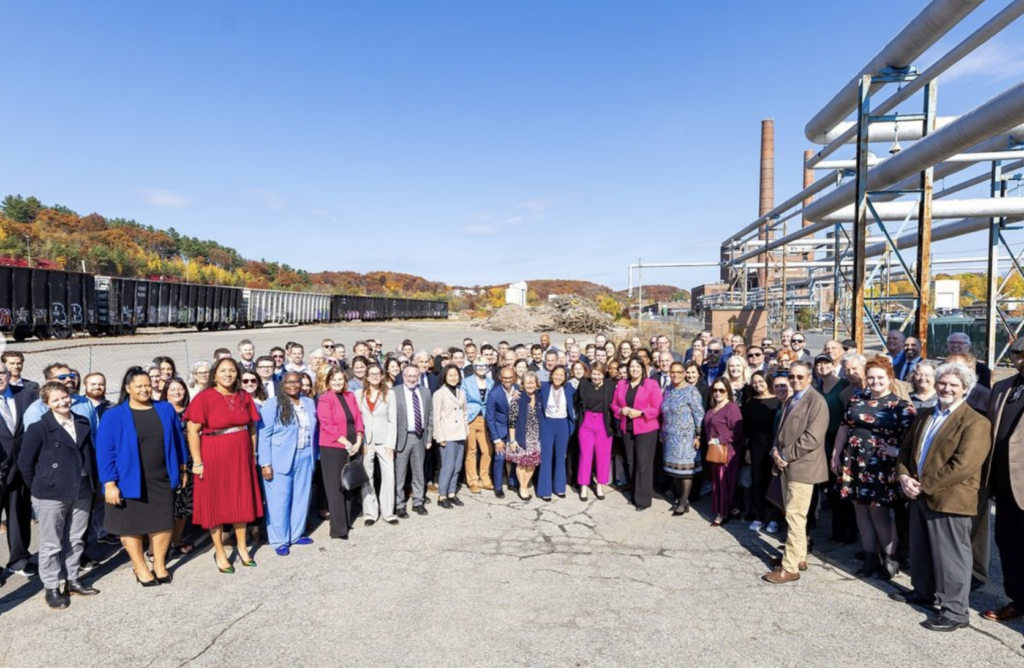
WORCESTER — Governor Maura Healey announced that her administration would make a $25 million match commitment to help redevelop the Worcester Memorial Auditorium, a critical project key to spurring new economic growth in Worcester and the broader region. The multi-year commitment of state funds will serve to unlock additional tax credits and philanthropy to bring this $100 million project to life. 

“Our administration wants to support this project and play a part in returning the Worcester Memorial Auditorium to its place as a vital cornerstone of Worcester’s civic and cultural identity, while honoring the veterans for whom it was originally built,” said Governor Healey. “Our hope is that the state’s commitment to redeveloping this facility will spark others to step up and provide the full financing necessary to make this project a reality.”

“Buildings like the Worcester Memorial Auditorium have the potential to be the heartbeat of cities like Worcester and bring economic development and cultural vibrancy to the broader central Massachusetts community,” said Lieutenant Governor Kim Driscoll. “This funding pledge demonstrates our commitment to economic growth in all regions of our state.”

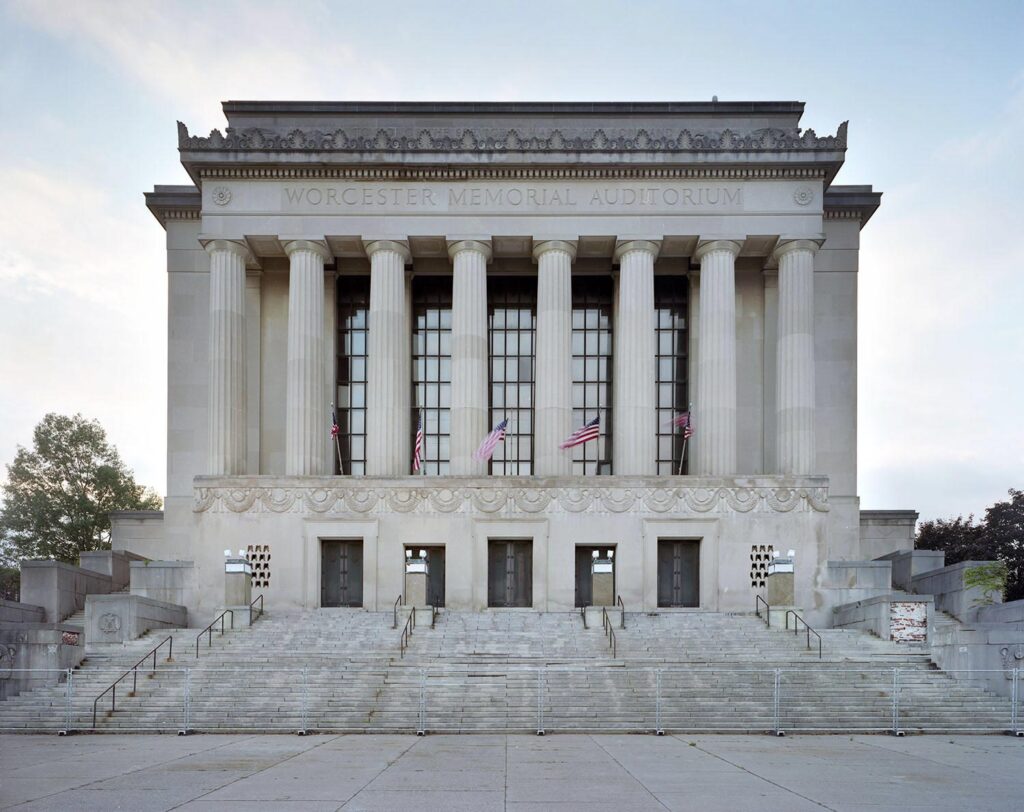
Built in 1933 to honor Worcester residents who fought in World War I, the Worcester Memorial Auditorium has been vacant for the past 25 years. Originally designed to seat up to 4,500 people, the auditorium played host to countless civic meetings, charity events, graduations, concerts by legendary performers such as Bob Dylan, the Rolling Stones, and Louis Armstrong and the College of the Holy Cross basketball team.

In partnership with the city of Worcester, the Architectural Heritage Foundation envisions a redeveloped multipurpose facility that blends historic preservation with modern amenities that could offer a wide range of programming—from concerts, comedy shows, weddings, and conferences to emerging events such as e-sports tournaments, robotics competitions, and immersive exhibits.  

Statements of Support

Mayor Joseph M. Petty, Worcester

“The support from the Healey-Driscoll Administration is critical to the revitalization of the Worcester Memorial Auditorium. I am so grateful for the Commonwealth’s support and hope we can breathe life back into this gemstone.”

City Manager Eric D. Batista, Worcester

“This $25M match from the Healey-Driscoll Administration is a game changer for the redevelopment of the Worcester Memorial Auditorium. The Auditorium is a central piece of Worcester’s downtown and Lincoln Square, and we are thrilled to see funding come in to help restore the building to its full potential as a vibrant hub of economic vitality. We hope this funding will generate further interest in bringing this project to fruition.”

Sean McDonnell, President and CEO, Architectural Heritage Foundation

“AHF is deeply grateful to the Healey-Driscoll Administration for its transformational investment in the Worcester Memorial Auditorium. Without such a meaningful commitment from our government partners, this project would not be possible. For more than 65 years, the Auditorium served as a vibrant center of community life—hosting Bob Cousy’s Holy Cross basketball games, performances by Louis Armstrong and Bob Dylan, Jewish High Holiday services, graduations, First Night celebrations, and countless civic events. After 25 years of dormancy, this investment will enable us to enter the next phase in the restoration of the Auditorium as a cultural and civic landmark, while honoring the veterans—past and present—for whom it was originally built.” 
 

Craig L. Blais, President, Worcester Business Development Corporation

“This $25 million Aud announcement is a transformative investment in Worcester by the Healey Administration. This critical facility will now serve as the anchor for the Lincoln Square redevelopment effort to build upon the Gateway Park project.”

Deborah Packard, Executive Director, Preservation Worcester

“The Worcester Memorial Auditorium is undoubtedly the most cherished building in Worcester.  Not only is it an elegant and imposing structure, but it also embodies individual milestones and enduring memories of concerts, graduations, dance recitals, Holy Cross basketballs and so much more.   Always of concern, the building was first listed on Preservation Worcester’s Most Endangered Structures list in 1997.  It takes time and commitment to restore and repurpose a grand historic structure.  We couldn’t be more grateful to the Commonwealth and the Architectural Heritage Foundation for their collective vision, determination, and foresight to bring new life to one of Worcester’s most important structures.” 

William Wallace, Executive Director, Worcester Historical Museum

“The Museum of Worcester is excited to learn of this commitment which will revitalize one of the city’s treasured architectural gems and its World War I memorial—a landmark building at the entrance to Worcester’s Salisbury Cultural District.”

State Senator Michael Moore, Millbury

“For the past 25 years, the vacant Worcester Memorial Auditorium has represented an opportunity to restore a cultural landmark and reopen a uniquely beautiful space in the heart of the city. I am so thrilled that the Architectural Heritage Foundation has taken on the challenge of redeveloping this building and that the Healey-Driscoll administration has committed $25 million in matching funds to make it happen. In a city full of rich history and stunning 20th century architecture, the Aud distinctively stands apart. I can’t wait to see it be reimagined for the 21st century.”

State Senator Peter Durant, Spencer

“I often hear from people with many memories of the Worcester Memorial Auditorium when it hosted wrestling and concerts but it’s also a very significant historic building which should be brought back. The $25 million in matching funds will help open doors for grant opportunities that to restore this iconic building which, we cannot forget, honors Worcester citizens who fought in WWI.”

State Representative John Mahoney, Worcester

“The Worcester delegation threw our support behind the Auditorium because it is an important landmark for the city of Worcester. Our constituents deserve to be able to take advantage of this wonderful amenity. We’re grateful the Administration is investing in the building and excited for AHF to give it a new life that can be enjoyed by all.”

State Representative Mary Keefe, Worcester 

“This is great news for our city.  The auditorium is first and foremost a memorial to soldiers of the first World War. This funding will allow us to preserve that fact and to repurpose the building to an active and new use.  Thank you to the Healey-Driscoll Administration for recognizing the value of this special building.”

State Representative Jim O’Day, Worcester   

“The Worcester Memorial Auditorium is an incredibly historic building, and efforts to maintain its longevity will be an asset to the economic development of the City of Worcester. I applaud Governor Healey’s commitment of the $25 million.” 

###

May is Preservation Month!

This year to celebrate Preservation Month, the National Trust for Historic Preservation has urged us to think about the “Power of Place” –  for us, the Worcester Memorial Auditorium immediately comes to mind. 

AHF, with the City of Worcester, has embarked on a project to revive the Auditorium (locally called “the Aud”), reestablishing this majestic building as a cultural resource for the city.

The rehabilitation and revitalization of the Aud taps into all the ways that historic preservation can affect local communities – adding to a vibrant downtown, providing new places to gather, creating economic growth, and re-asserting the Auditorium as a centerpiece to Worcester’s civic pride. 

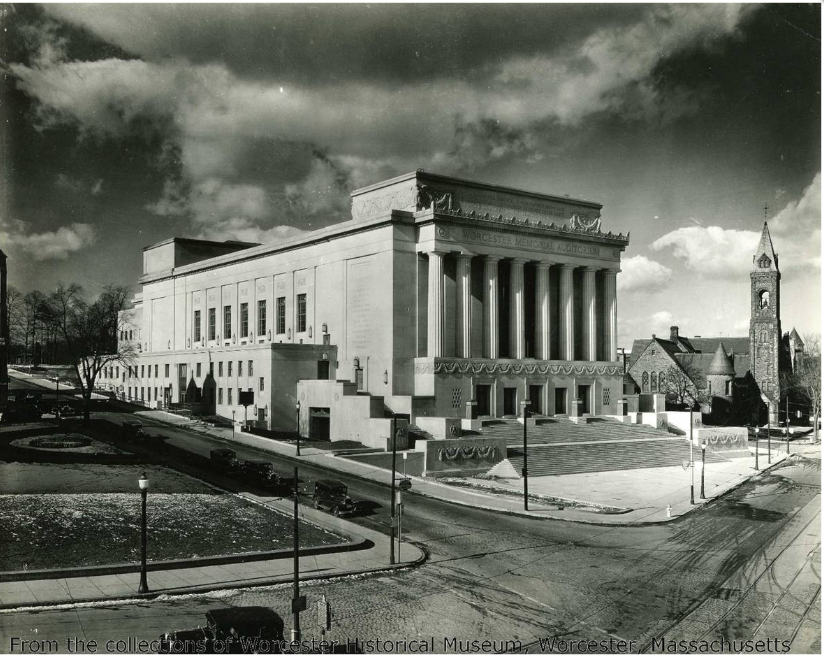
The Power of Place is obvious from the first time you lay eyes on the building: the Auditorium’s prominent location in historic Lincoln Square makes a strong first impression. In the years after WWI, Worcester’s leading citizens spent a decade looking for a suitable site, eventually securing 100,000 square feet of land from the Worcester Art Museum to build the Auditorium. Today, the massive Classical Revival structure, with its Doric columns and five large, bronze doors, plays an important role in the architectural fabric of Lincoln Square, and the Salisbury Cultural district beyond. 

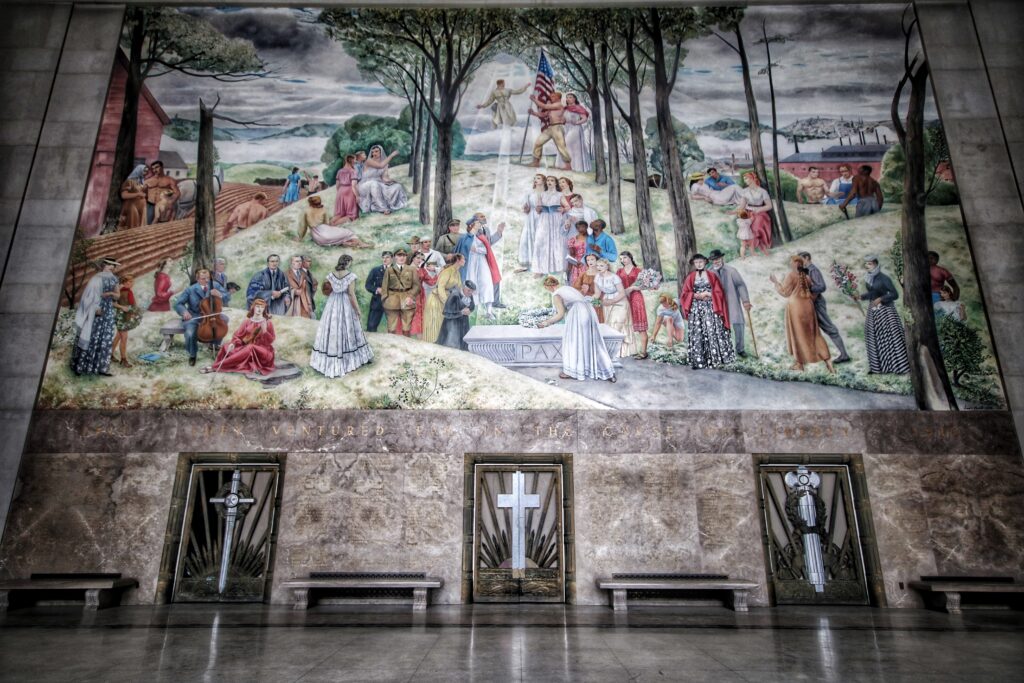
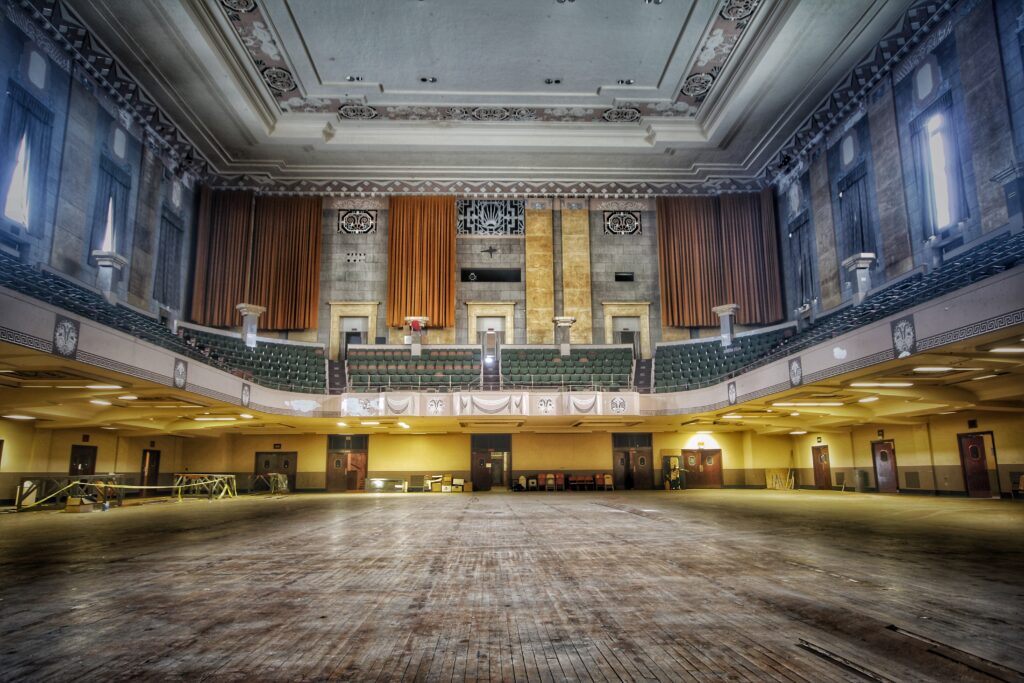
Inside the building, there are spaces both sacred and momentous that show the Power of Place. The entire building was created as a memorial to the soldiers in the Great War, but within its walls, the gracious Memorial Hall invites visitors to reflect on the lives lost. The soaring ceiling, the multi-story windows overlooking Lincoln Square, the evocative murals on the walls – upon entering this space, one feels the impact immediately. Voices quiet, eyes take in everything from the marble floors to the gilded eagles. This is a place for reflection. The Memorial was and remains a space for remembrance, as well as celebration of the city’s strength.

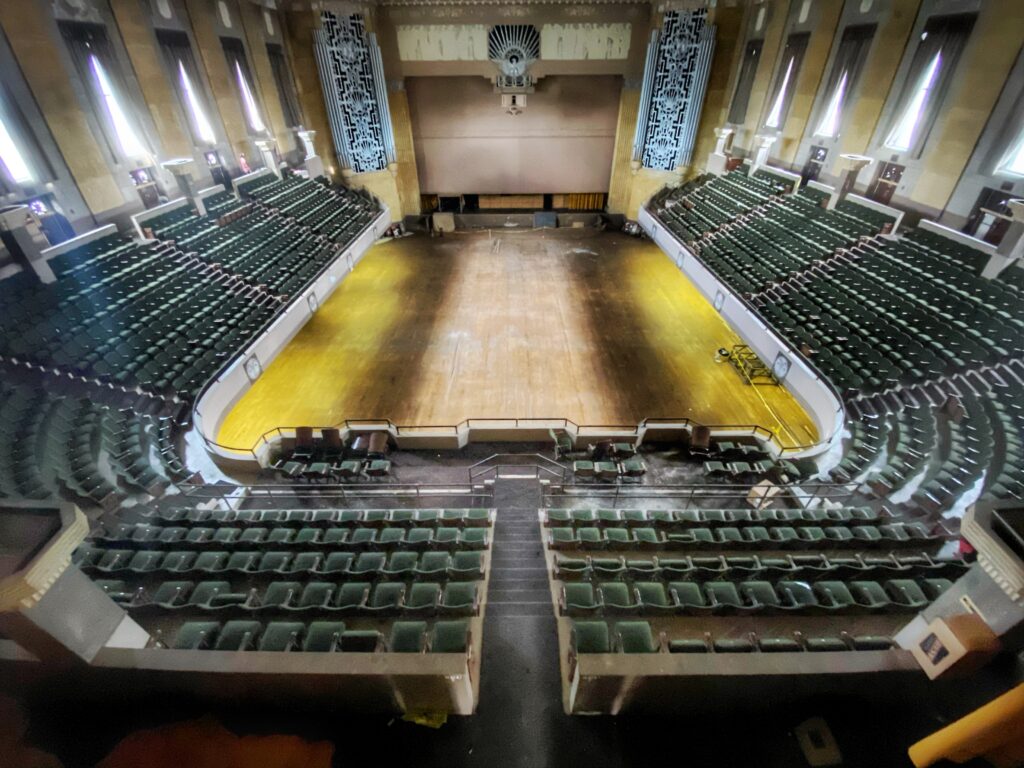
In the large Auditorium space, another feeling often hits visitors: nostalgia. Maybe they remember catching their favorite band perform here – Louis Armstrong, Bob Dylan, B.B. King, the Rolling Stones, and Phish all performed onstage. Or they remember Bob Cousy and the Holy Cross Basketball team playing on the hardwood. Perhaps they recall spending time with their families here, watching their sister’s dance recital, or attending countless graduations. From the mezzanine’s velvet green chairs to the extraordinary Kimball Pipe Organ – visitors to the space immediately grasp that this is a special place, and one that should be brought back to life. 

Lastly, it’s the building’s place in Worcester history that is ever-powerful. It was no small feat to build the Auditorium – built from Deer Island granite, Indiana limestone, and marble, the municipal project took 15 years and cost $2 million to construct. City leaders envisioned a monument honoring the 9,000 Worcester citizens who fought in the Great War, and the 355 young men and women that sacrificed their lives. The Auditorium serves as a solemn memorial to lives lost and a spirited affirmation of Worcester’s vitality.

Rodman House: New Technology for Historic Architecture

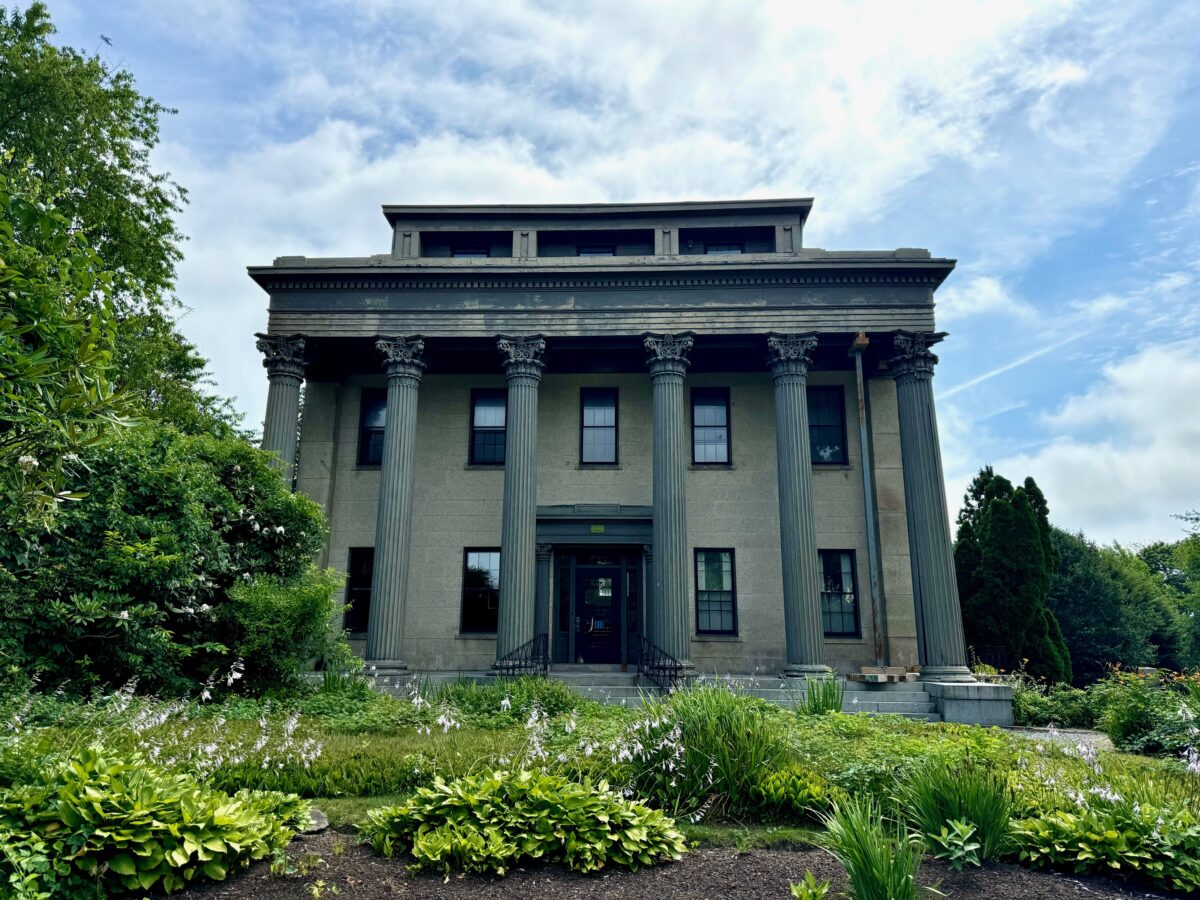
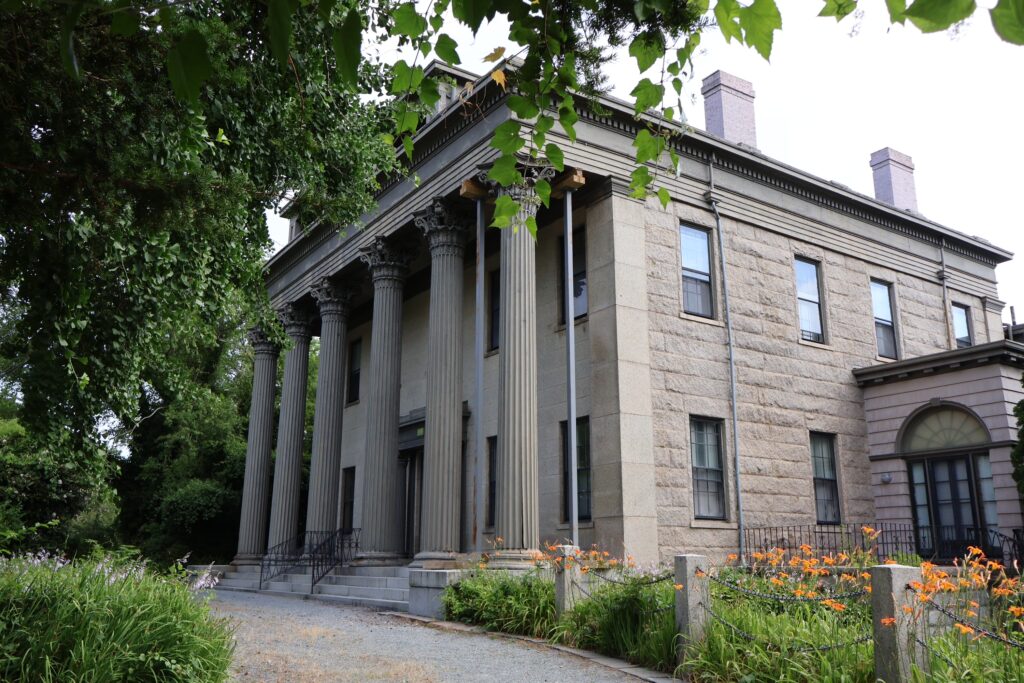
Built in 1833, the William Rodman House in New Bedford is known for its impressive facade, flanked by six ornate hand-carved columns – that are now deteriorating.

How do you replicate the intricate details of the original columns? For AHF, the answer lies with a group of talented designers mixing modern technology and traditional craftsmanship.

2024 Year in Review

2024 has been a year of partnerships and relationships. In this line of work, we never work alone – and this year, that was more apparent than ever. From working with municipalities to better understand their historic resources to guiding a Friends group to forge a future for a centuries-old meeting house, AHF is all about creating teams and sharing our expertise. 

Here are a few highlights from our year of partnerships. 

Worcester Memorial Auditorium, Worcester 

Following a productive 2024, optimism is high for the Worcester Memorial Auditorium. In partnership with CSL International, we developed a comprehensive business plan that outlines a sustainable operating model for the building—no small feat. The City of Worcester has also committed to repairing the roof, safeguarding the building against further water damage. AHF is grateful for the $1 million grant from the MassWorks Infrastructure Program, which will help offset future electrical costs. Most importantly, the project is now closer to full revitalization than at any point in the past 25 years, with expectations that 2025 will mark a significant step forward.

Russell School, Hadley

AHF partnered with Berkshire-based design/build firm Allegrone Companies on a feasibility study for the reuse of the Town of Hadley’s historic Russell School. Built in 1894 and part of the town’s historic town center, Russell School has been empty and unused for over a decade. The Town has hired our firms to evaluate possible reuse options, allowing for a more effective decision-making framework about how to move forward with this town-owned property. 

Wright and Jim’s House of Shoes buildings, Pittsfield

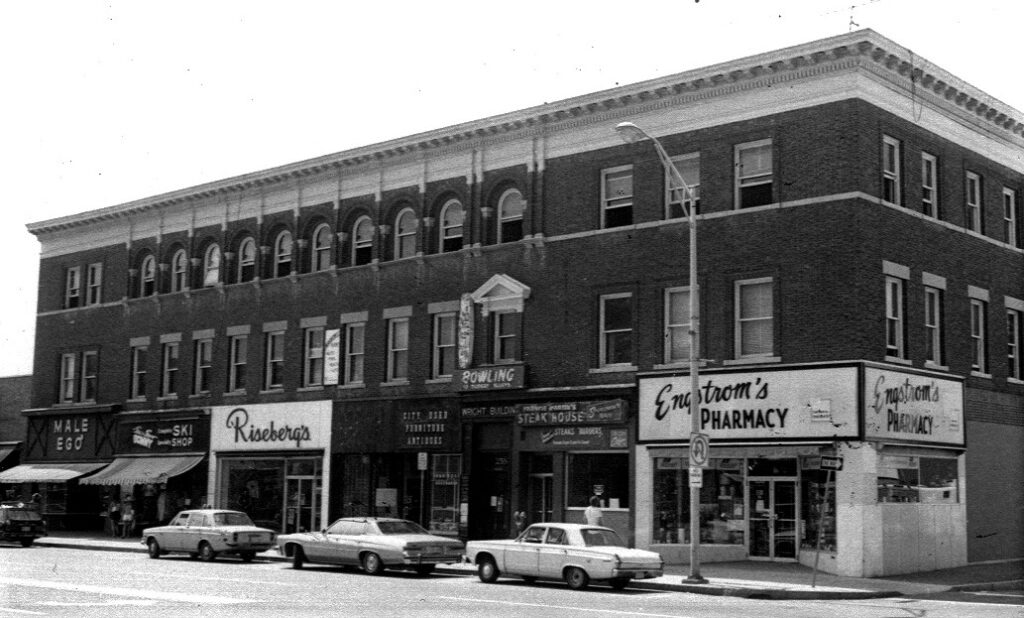
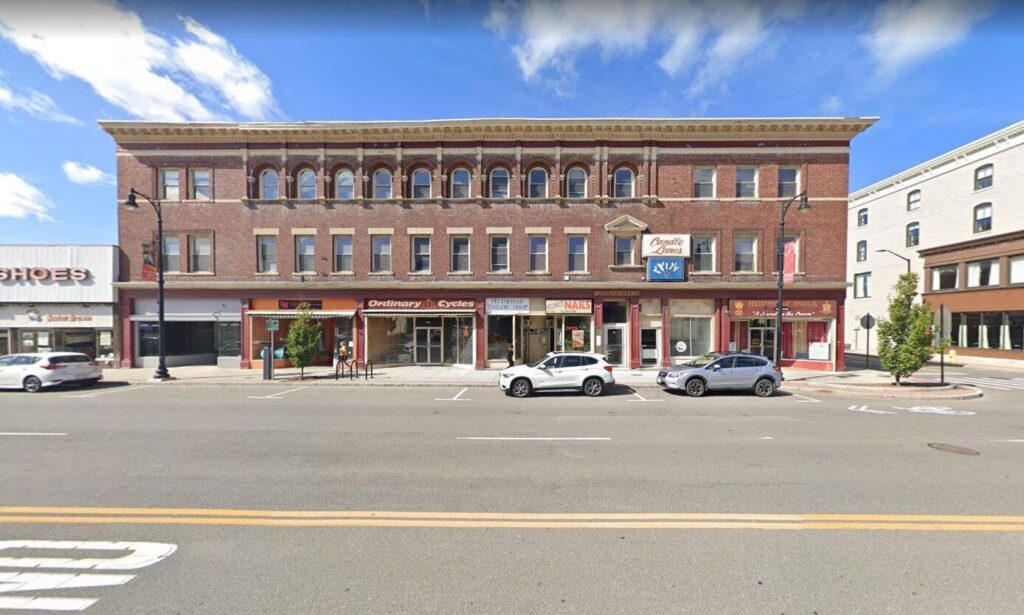
AHF has assisted Allegrone Companies with the redevelopment of the Wright Building in downtown Pittsfield over a number of years. The project, which consists of the rehabilitation and expansion of two vacant downtown buildings in walking distance to Pittsfield’s train station, reactivates this long-dormant block.  

2024 marks a big step forward for the project: Allegrone Companies received another state HTC allocation, an Underutilized Properties Program (UPP) grant from MassDevelopment, and successfully unlocked HDIP funding for the project. Thanks to these sources and combined with the accrued HTCs, construction on 35 mixed-income housing units and 6 retail spaces has commenced. 

Beyond the Wright Building, AHF has also been assisting Allegrone Companies in Pittsfield with various preservation consulting services, including Section 106 Review at a nonprofit healthcare facility as well as advancing a new state and federal tax credit project at an exciting and highly visible location.

Manor House at Elm Bank, Wellesley/Dover 

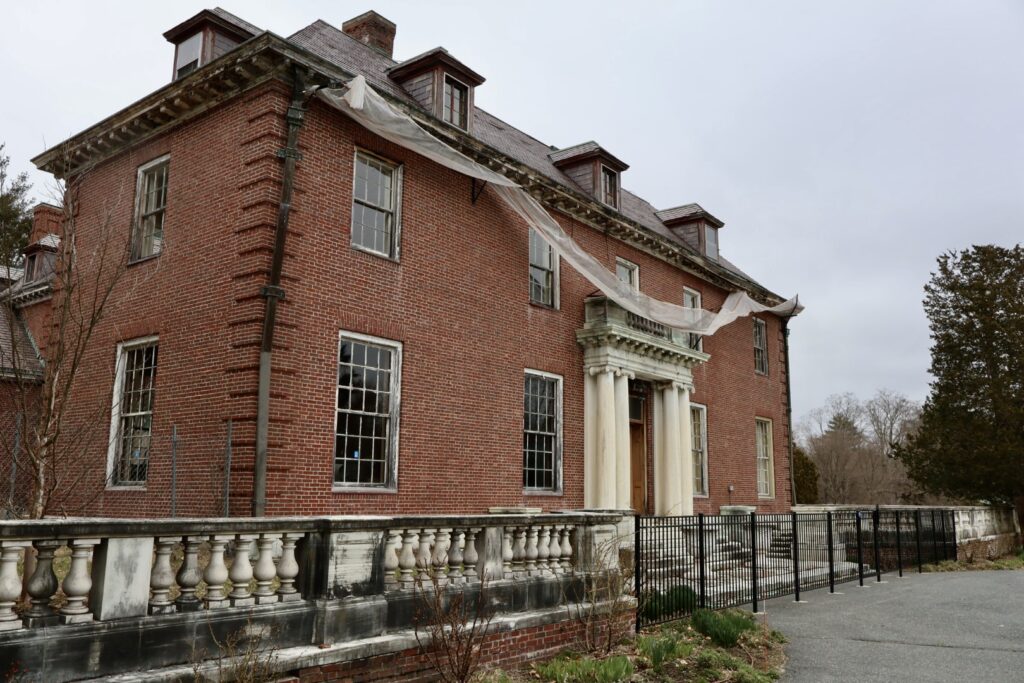
In 2024, AHF worked with Massachusetts Horticultural Society (MHS) on a grant application to support the restoration of the historic Manor House that is located within the Gardens at Elm Bank. Though this year’s application was unsuccessful, both organizations have a more concrete understanding of how to create a pathway forward for Manor House – and how AHF might serve MHS as a trusted historic preservation advisor in the future. 

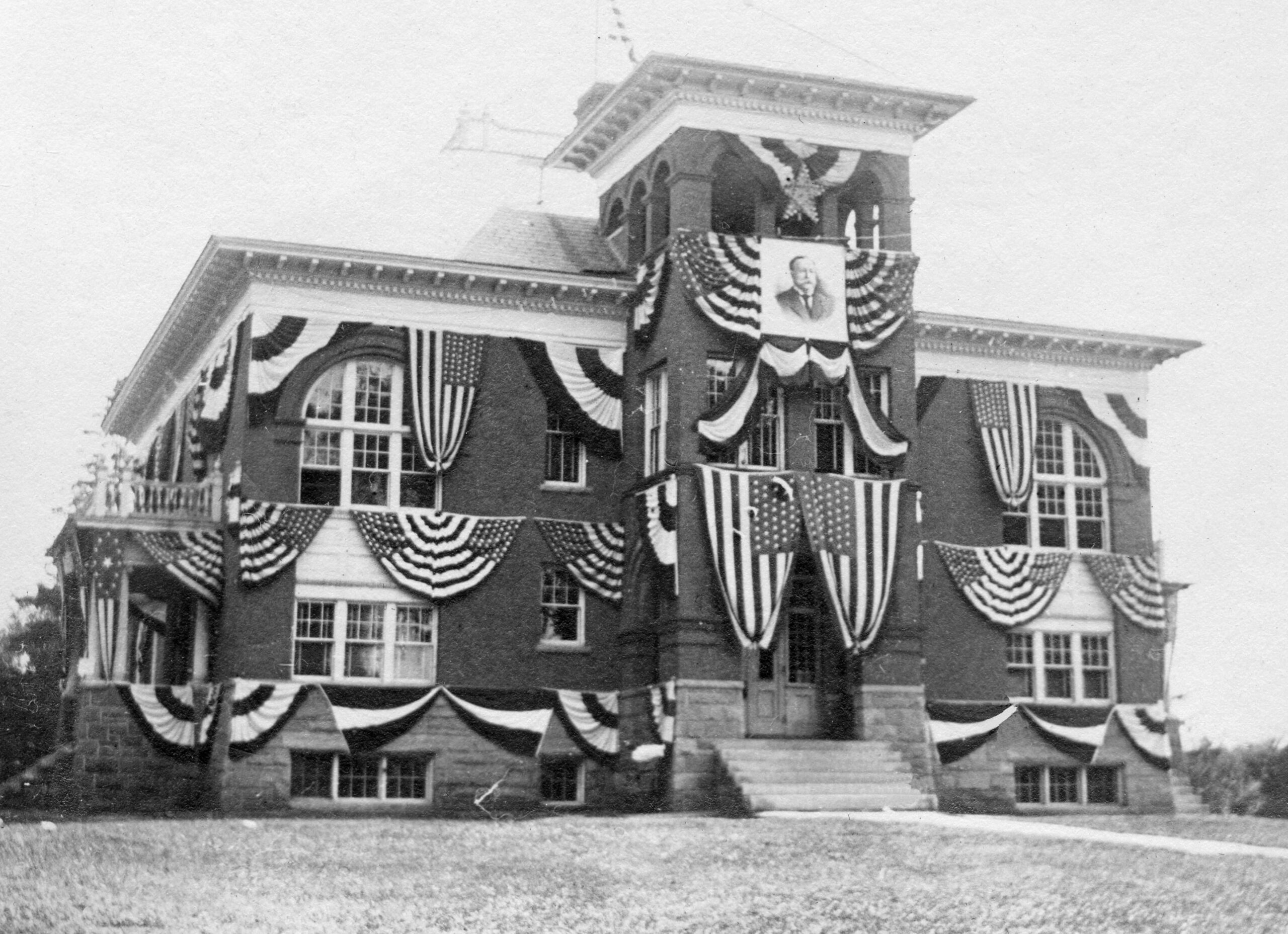
Rodman House, New Bedford 

This year, AHF has taken on a significant restoration project at the Rodman House, one of New Bedford’s most significant historic resources. Built in 1833, the Greek Revival mansion’s monumental, highly intricate carved columns are distinctive – and in rough shape. AHF is working with Forma Inc. and AP Whitaker and Sons to fabricate a historically accurate replica of one the columns, using cutting edge CNC machining techniques. The goal is to reproduce existing conditions in a high-density urethane material that will be indistinguishable from the original mahogany. 

The original columns, which lasted for over 150 years, are remarkable examples of skilled carving/artisanship and old growth wood, and this next round of restoration work will likewise seek to ensure a very long second life. This work is being partially funded by a grant from the City of New Bedford Facade Program. 

Church on the Hill, Lenox 

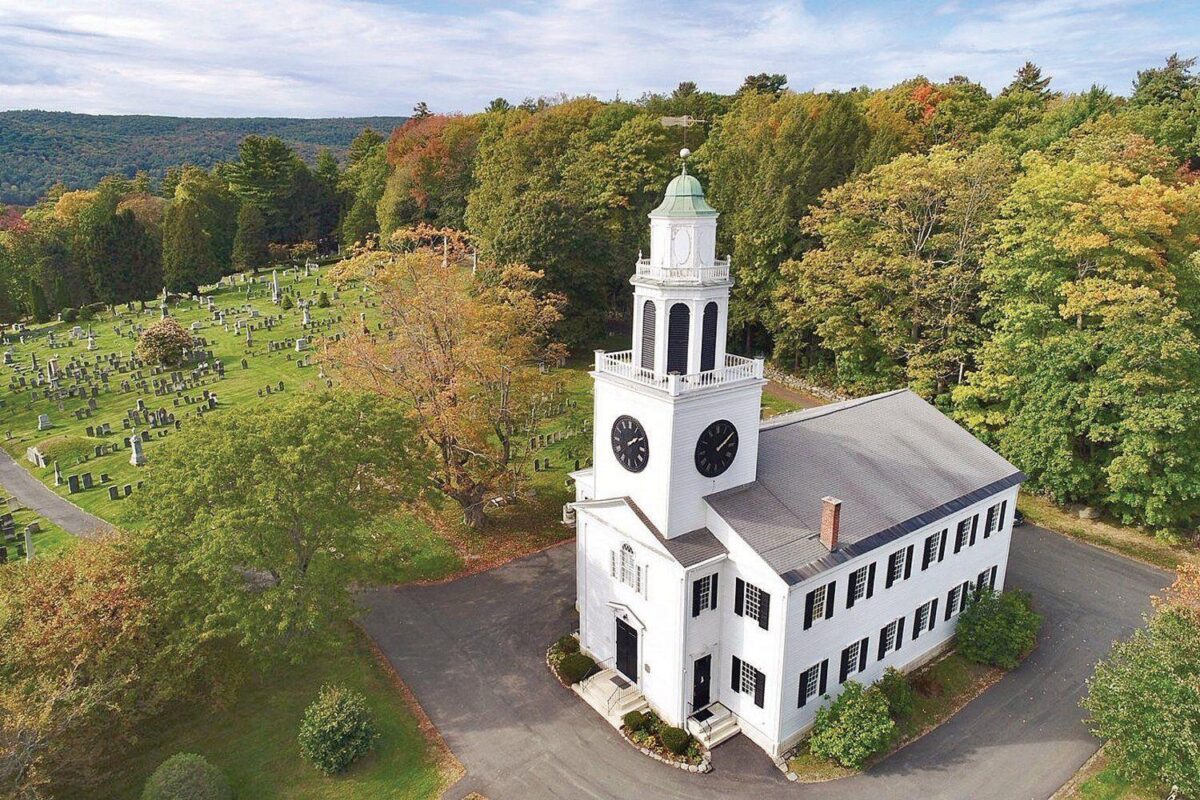
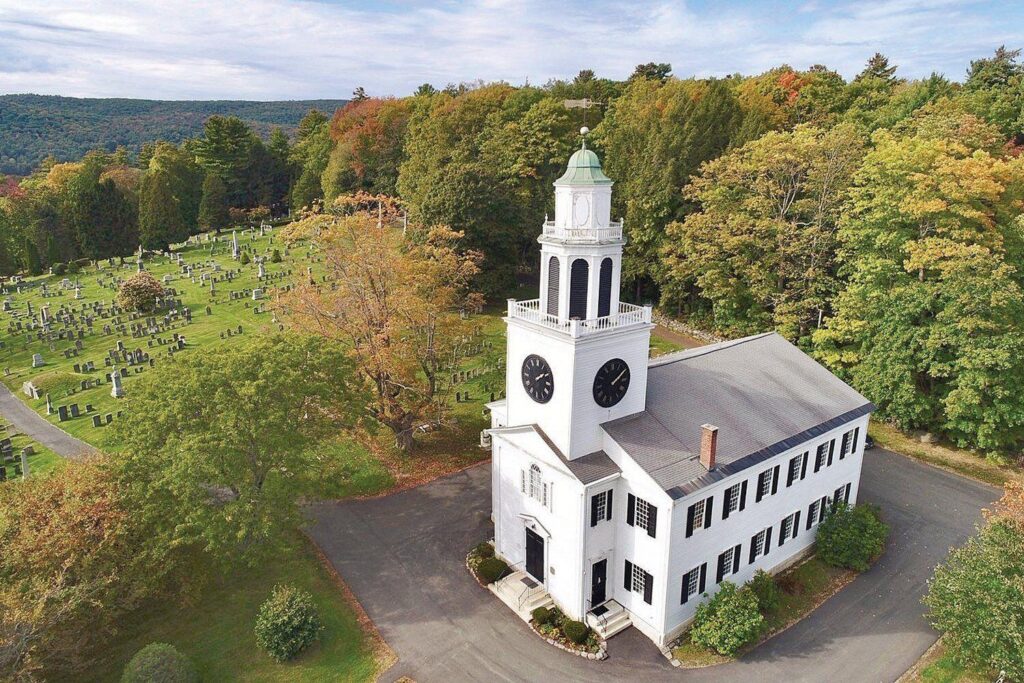
The Lenox Meeting House has been a prominent part of the landscape of Lenox since 1806. Today, the Friends of the Lenox Meeting House are looking to make the building more accessible to all. This fall, AHF completed a Strategic Directives Report that will help guide the group as they make changes to allow for more flexible and diverse uses of the sanctuary and narthex, in addition to improving accessibility and adding a communal kitchen area. You can find out about the Friends’ efforts here.

Historic Boston’s Kathy Kottaridis Takes on New Role with the City of Boston

Boston is fortunate to have several non-profit organizations dedicated to historic preservation advocacy, education, and real estate development/investment. The historic preservation community has benefited from strong and long-standing leadership within these organizations. This month, we honor Historic Boston, Inc.’s longtime Executive Director, Kathy Kottaridis.

At the helm since 2007, Kathy has shown incredible leadership for HBI and for the city as a whole. We have enjoyed working alongside Kathy and HBI over the years, including a recent loan partnership that helped fund the Comfort Station project in Dorchester.

“Kathy has always recognized that Boston is a city of neighborhoods,” said Sean McDonnell, president of AHF. “Under her leadership, HBI’s focus on Boston’s commercial districts and economic development projects has been truly transformative.” 

Kathy has been tapped to be the City of Boston’s Director of the Office of Historic Preservation, where she will oversee the Boston Landmarks Commission, the City’s Historic District Commissions, the Archaeology Program, and the Commemoration Commission. Through the Commemoration Commission, she will spearhead the City’s commemorative efforts, including the upcoming 250th anniversary of the United States in 2026 and the 400th anniversary of Boston in 2030.

We wish Kathy the very best of luck, and look forward to working with her in her new role.

AHF-Supported Projects Receive Funding from Commonwealth’s Community One Stop for Growth Program

Last week, Governor Maura Healey, Lieutenant Governor Kim Driscoll, Economic Development Secretary Yvonne Hao and Housing and Livable Communities Secretary Ed Augustus gathering in Worcester to announce more than $161 million for 313 grant awards to support local economic development projects in 171 communities across the Commonwealth.

The grant awards were made through the Community One Stop for Growth, a single application portal that provides a streamlined, collaborative review process for 12 state grant programs that fund economic development projects related to community capacity building, planning and zoning, site preparation, building construction and infrastructure. 

Since the program’s inception, AHF has worked with project partners to apply for Community One Stop grant funding to support a range of development activity at their respective sites. AHF is pleased to announce that two AHF supported projects have received grant funding during this round. 

Worcester Memorial Auditorium, Worcester 

MassWorks Infrastructure program will provide $1,000,000 to the City of Worcester for the continued revitalization of the Worcester Auditorium. 

Overview: The Worcester Memorial Auditorium is a magnificent performance venue that towers above Worcester’s Lincoln Square.Throughout the twentieth century, the Aud was the center of Worcester’s civic and cultural life, but it has been empty and underutilized for years. AHF has a contract with the City of Worcester to spearhead the redevelopment of the Aud.

Funding will help create a multipurpose, technology-forward, entertainment facility and AI Innovation Center.

AHF involvement: AHF has partnered with the City of Worcester to revitalize the Worcester Memorial Auditorium. 

Wright Building, Pittsfield

The Underutilized Properties Program is providing $626,732 to the Allegrone Companies. 

Overview: Allegrone Companies are renovating the National Register listed Wright Building, preserving and restoring its historic facade while updating its infrastructure, systems, and finishes to support new residential and retail uses. The redevelopment additionally will address a blighted adjacent property and will create a pedestrian corridor behind both buildings. The full project will transform almost an entire city block in downtown Pittsfield.

Funding will be used for  Wright Building Block Phase II, converting the building into 14 more mixed-income housing units and two storefronts.

AHF involvement: facilitated sessions to determine the most competitive approach, compiling developer’s data and budgets into a compelling story and timely grant application.

A big congratulations to all the awardees! See the full list here.

The Stone Carver of the Worcester Memorial Auditorium

Constructed of Deer Island granite, Indiana limestone, and marble, we know about the architects of the Worcester Memorial Auditorium, but we don’t often have the chance to learn more about the skilled artisans who helped build it. 

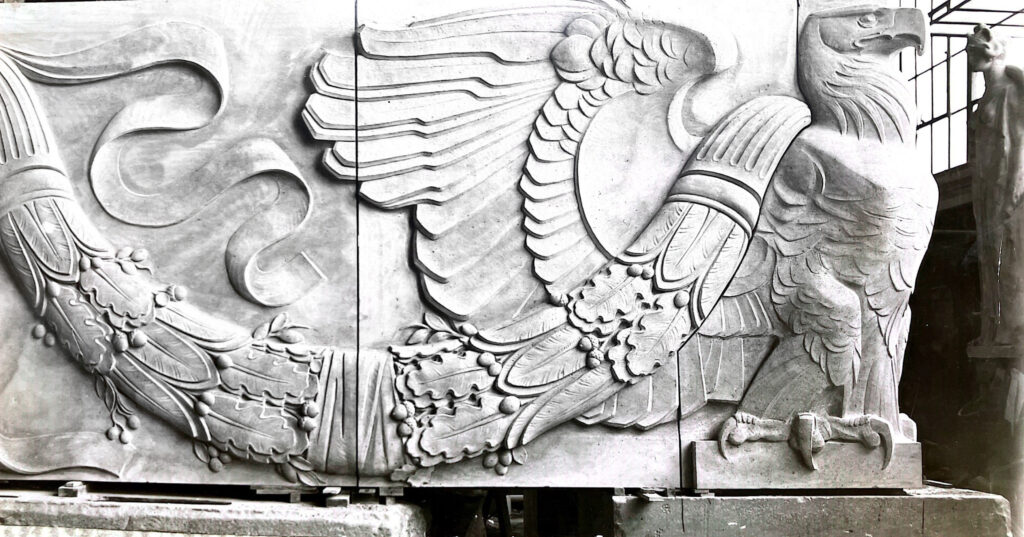
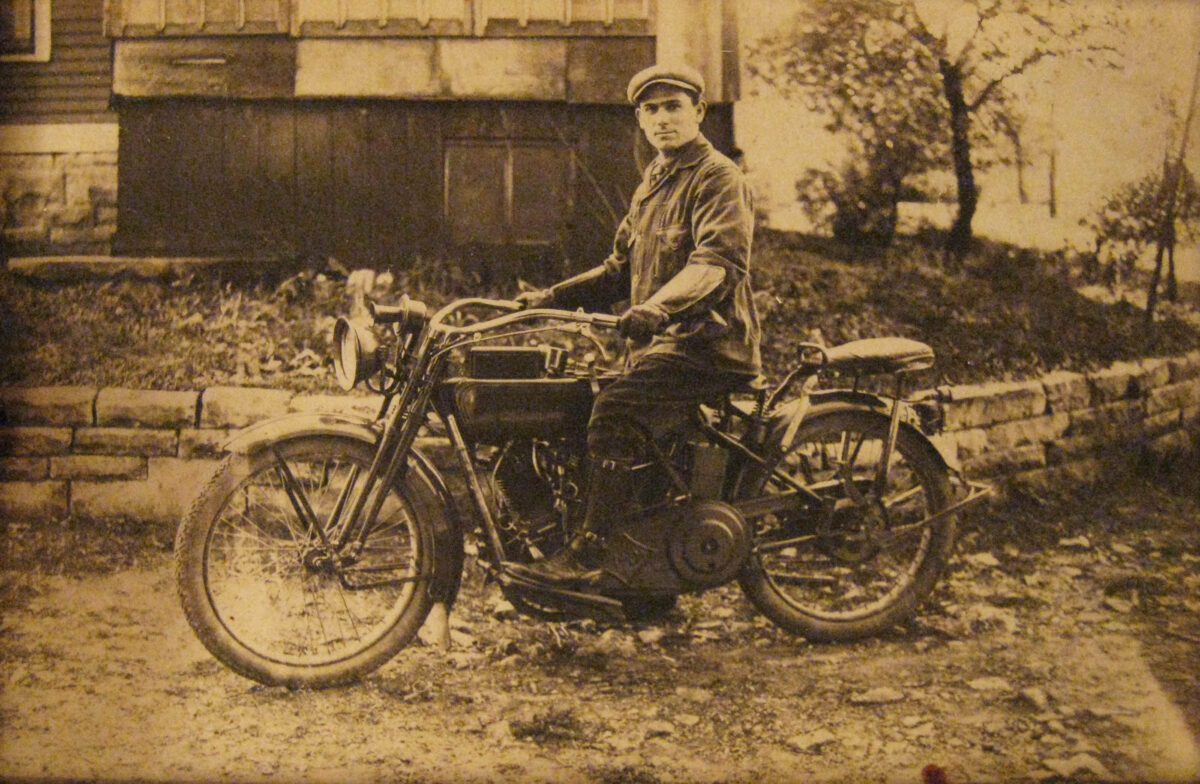
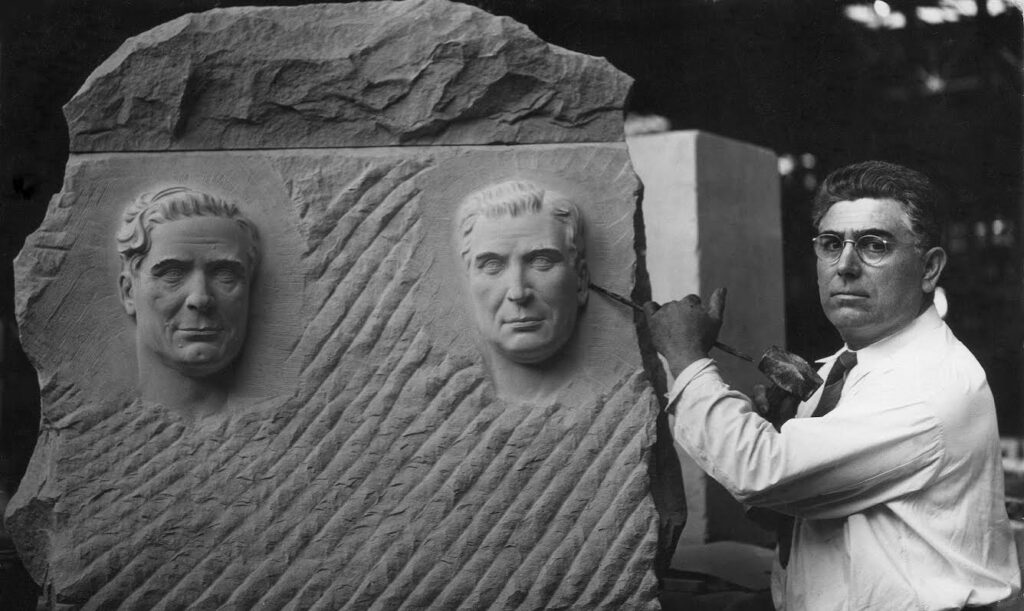
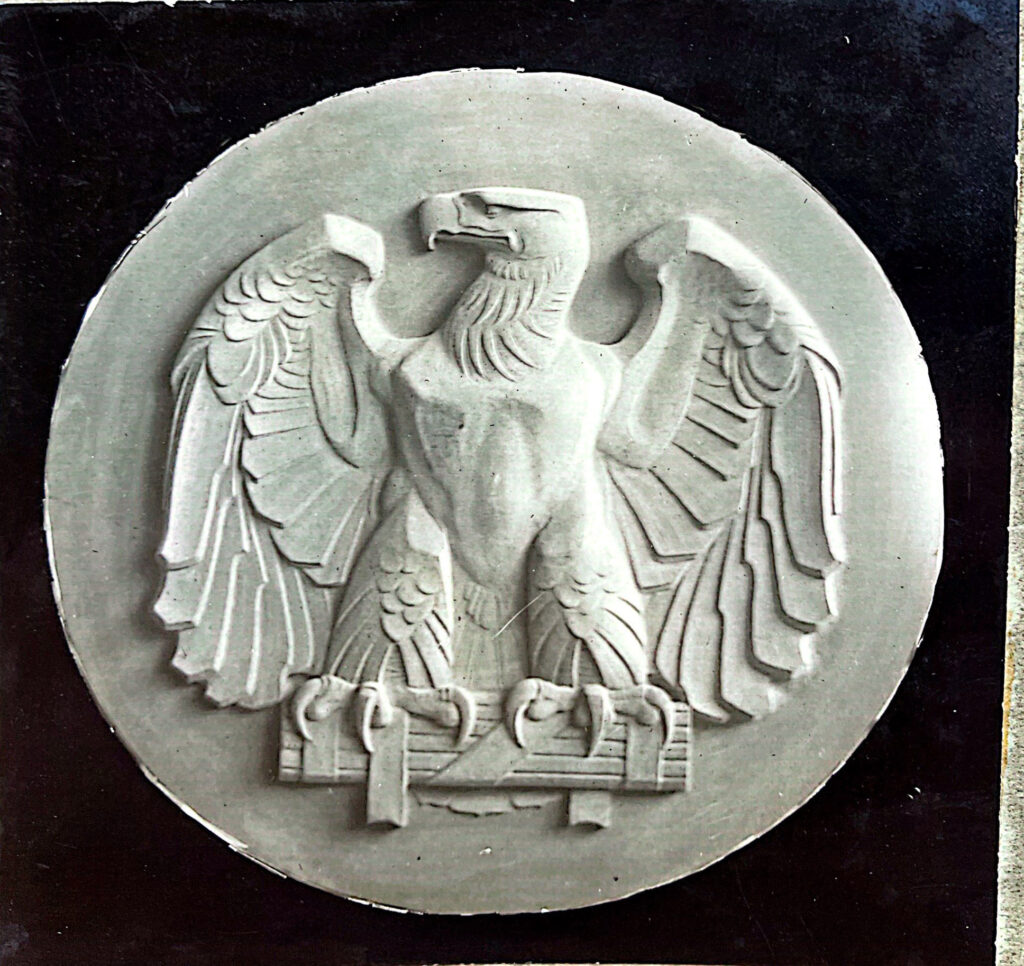
Well, luckily for us, history lovers have a way of finding each other. Over the summer, we received an email from Justin van Deursen, who told us that his great grand uncle, Enrico Liva, an Italian stone carver, had carved several of the decorative panels that grace the exterior of the Worcester Memorial Auditorium. Van Deursen has been researching and writing a biography about his stone carving ancestors, when he came across a reference to the Auditorium. After examining the building on Google Street View, he realized he had at least 6 photos of the carvings that his great grand uncle made for the building in his studio in Bedford, Indiana. Justin generously shared these images, as well as more information about Enrico Liva, which we have shared below with permission. 

With a building as large and impressive as the Auditorium, the exterior details add to the overall impression, but don’t always get their due. Taking in the giant Classical Revival structure, we see the massive Doric columns and a decorated frieze, but how often do we really stop and pay attention to the details?

Seeing these images from Liva’s stone carving studio brings these figures into focus and shows us how incredibly intricate they are, and how skillfully they were made.  Can you spot where the carvings show up on the building’s front facade?

We are so thankful to Justin for taking the time to share these images and this fascinating family history with us.  We look forward to learning more about Enrico Liva and his family in the future!

ENRICO G. LIVA was the tenth of eleven children of Giusto Liva and Margherita Visentin Liva, born in Savona, on the coast of Italy, on August 24, 1889. His father and five brothers were sculptors, painters and ornamental plaster artists whose work brought them to various places in Europe including Norway, Russia and Sweden, as well as a variety of cities in Italy. “Harry” received his grammar and fine art education in Palermo, Sicily, under Professor Francesco Crocivera, while his family was producing architectural embellishments for the Teatro Massimo opera house. He moved to New York in 1904 and obtained a card in the Journeymen Stone Cutters’ Association the following year. Per the Encyclopedia of American Biography, 1934, his career involved working for Williams Stone Company in the Bronx, NY and Gilbertson Stone Company on Long Island. He married Maria Assunta Zito (1890-1977) in Hoboken, NJ in 1910.

Harry’s family remained on the East Coast, but on July 1, 1911 he began working for the Charles C. Ingalls Stone Company of Bedford, IN. His first project was to carve stone on-site at the newly constructed Rice Hotel in Houston. He stayed with Ingalls Stone Company for the rest of his career and worked as a designer, architect and head of the stone carving department. He was one of the first two Italians in the stone belt, which supplied limestone to major construction projects through the building boom of the 1920s and onward. He retired after 33 years as chief carver, with 22 men working for him. He had the longest tenure in the company’s history, only surpassed by his son, Luigi Liva (1910-1989), (also known as Louis or Gigi) who worked for Ingalls for 34 years, mostly under his father’s leadership. Their work can be found throughout the country.

Harry worked tirelessly and continued with projects in his home studio in Bedford after work each day and volunteered his skills for organizations he cared about. He was considered one of the foremost carvers in the stone belt and was able to turn down commissions such as carved panels for the U.S. Senate chamber in Washington, D.C., because he would have been away from his family for too long. Highlights of his career include the Shrine of the Little Flower in Royal Oak, MI, Kirk in the Hills in Bloomfield Hills, MI, the Chrysler Building in New York, the Gettysburg Address text panels at the Lincoln Memorial, Archives Building in Washington, DC, Scottish Rite Temple in Kansas City, Duke University Chapel, Masonic Temple in Waco, TX and the Stephen Foster Memorial in Pittsburgh, among many others.

Harry and Maria had six children; Luigi “Louis”, Emil, Gilda, Aurelio, Adele and Margherita. 

Harry died April 30, 1963 and is buried with his beloved wife in Cresthaven Memory Gardens in Bedford, IN.

The Speedway’s Shared Liquor License Solution

There’s no question that the city of Boston has a liquor license problem. The strict cap on licenses available means that they have become extremely expensive and increasingly difficult to procure, making it really hard for small businesses to get one. With just about 1200 licenses, each one has a value of about $600,000 – a price tag that makes it nearly impossible for a creative young business owner looking to open their first location. 

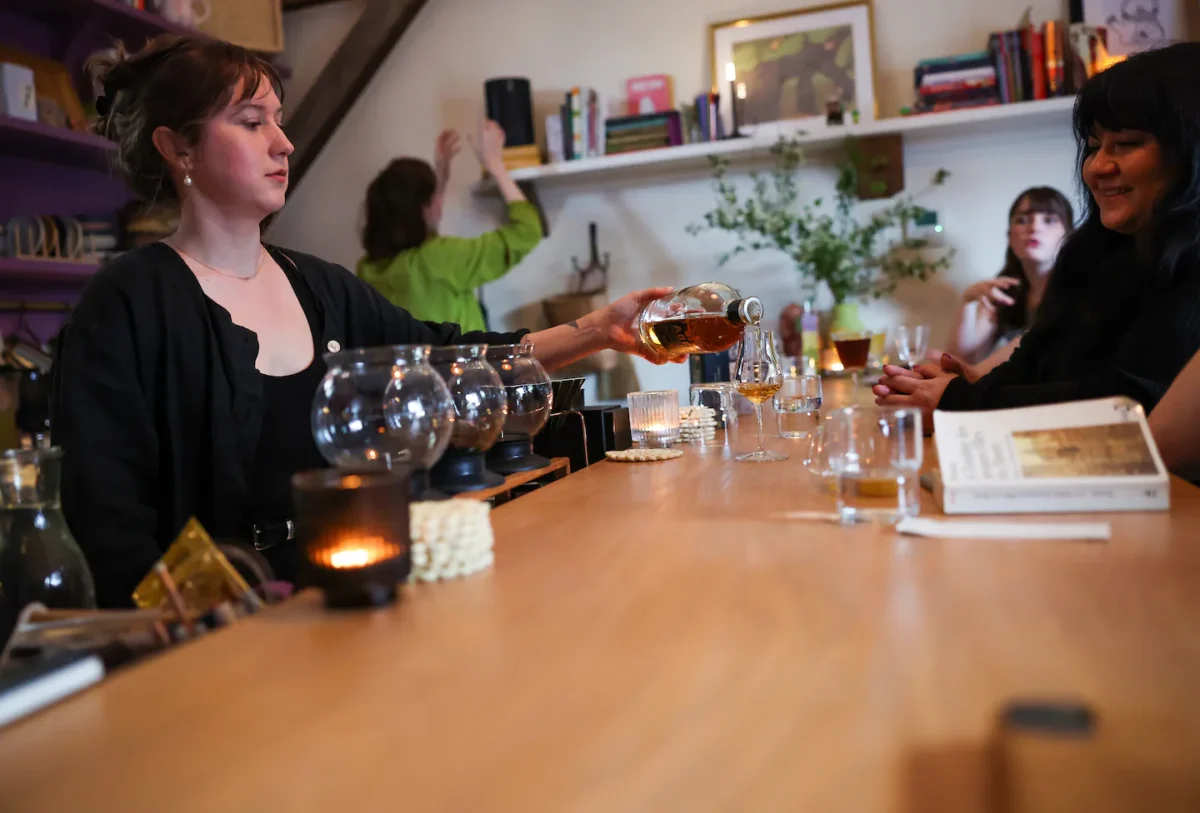
Photo by Barry Chin, The Boston Globe

Shirley Leung writes about this very issue in High & Dry, a Boston Globe series of articles about Boston’s complicated liquor license system. The article puts the spotlight on the developers, landlords, and restaurateurs who are looking for creative solutions within the system to make space for small businesses to succeed. 

She writes:

At the Speedway in Brighton — an old horse stable turned nightlife hot spot — there’s something for everyone.

Like Koji Club, a 16-seat sake bar that Esquire has called one of the best places in America to grab a drink, or Super Bien, a grocery bar — imagine a hip bodega that serves empanadas and South American wines. There’s also Birds of Paradise from James Beard-nominated bar owner Ran Duan. Speedway comes to life in the evenings and the weekends, especially when the weather is warm and its outdoor courtyard swells with young people.

And for that, you can thank the Massachusetts Legislature.

Four years ago, when the Speedway was under construction, lawmakers created a special liquor license just for this project. It enabled the developer to get around the strict cap on how many establishments can serve booze in Boston by allowing the Speedway to share one license across its various tenants. That meant innovative entrepreneurs could open there without shelling out the six-figure price tag to buy a license of their own — a dream made real.

“Oh, I actually cried,” recalled Koji owner Alyssa DiPasquale. “What a relief.”

Anyone who has ever been to the Charles River Speedway knows that it is a special place. The historic buildings, which have been beautifully preserved, are now filled with restaurants, shops, a brewery, offices, event spaces and a one-chair hair salon. For those who saw the Speedway buildings before the work began, it is nothing short of a miracle. A project like this needed a ton of support – from the community, elected officials, DCR and more. AHF was very lucky to have the support and enthusiasm of Rep. Michael Moran, who fought for this project for decades. 

AHF is so proud of what we have accomplished here at the Charles River Speedway. With the state provided liquor license, the Speedway has become home to several small businesses and first-time operators. The Koji Club, Super Bien, Pizza Project, Rite Tea & Espresso, Notch Brewing, Birds of Paradise, and Bellwether Salon are all in Allston-Brighton because of the creative solutions and advocacy of so many. 

As Leung writes in her article: 

For Speedway tenants, having a special license has been life changing. Without it, for example, Ren Wheeler, who owns Rite Tea & Espresso Bar, would have looked to open on the North Shore. She now operates a cafe that turns into a Scottish whisky bar on Friday nights.

“It’s really exciting,” she said. “It is really like a dream come true.”

Photo by Barry Chin, The Boston Globe